
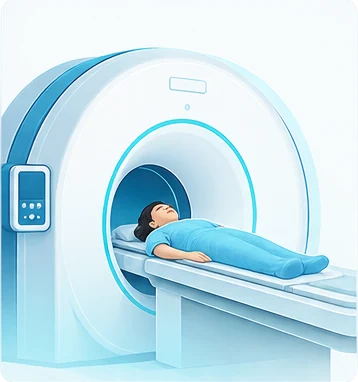
Why is this study being conducted?
Cardiovascular CT is increasingly used in the assessment of congenital heart disease in both children and adults. However, cardiovascular imagers have different professional backgrounds, levels of congenital heart disease exposure and access to dedicated congenital CT training.
This study aims to explore how cardiovascular imagers recognise, describe and clinically interpret congenital cardiovascular findings on CT. It will also examine current training, confidence, reporting practice and perceived educational needs.
The study is intended to help identify areas where additional congenital CT education, structured reporting or multidisciplinary training may be valuable.
Why have I been invited?
You are being invited because you are a healthcare professional with experience in cardiovascular or thoracic CT imaging or interpretation.
Participants may include radiologists, cardiologists, paediatric cardiologists, congenital heart disease specialists and relevant trainees. Participation is entirely voluntary.
What will I be asked to do?
The questionnaire includes:
- professional background and CT experience
- congenital heart disease and CT training
- self-assessment of confidence
- approximately five anonymised CT-based clinical cases
- questions about reporting and future training needs
It is not a formal examination or professional assessment. Participants will not receive individual performance scores.
What information will be collected?
Professional information may include:
- specialty, level of seniority, country or broad region of practice
- years of CT experience and approximate CT volume
- congenital CT exposure and relevant training/accreditation
- case responses and educational opinions
The study will not intentionally collect:
- participant name or personal email address
- telephone number
- professional registration number
- hospital identifier
Technical information
The future live study may collect limited technical information needed for study integrity, including survey timing, browser/session information, broad geographic information and pseudonymised information used for possible duplicate-response detection.
ConCardiCT INSIGHT has been registered and approved by the Governance and Ethical Research Committee at University Hospital of Leicester. The Chief Investigator, Dr Michael Sammaan, is responsible for handling the study data and for participant queries relating to their information.
When you take part, limited technical information may be processed to support study integrity, data quality and the prevention of duplicate participation. This includes a pseudonymised network identifier and an approximate country inferred from your internet connection.
The raw IP address is not retained, and precise location information is not collected. Network information is converted server-side into a transient, keyed pseudonymous token used only for duplicate-response checks; raw IP addresses are neither stored in the research dataset nor included in analysis exports. The automatically inferred country is approximate only and may not reflect your actual country of residence or clinical practice, for example when using a VPN, an institutional network or a mobile network.
Study data will be retained for 12 months and will then be deleted. If you have questions or concerns about how your information is used, please contact the Chief Investigator at Michael.sammaan1@nhs.net.
CT images
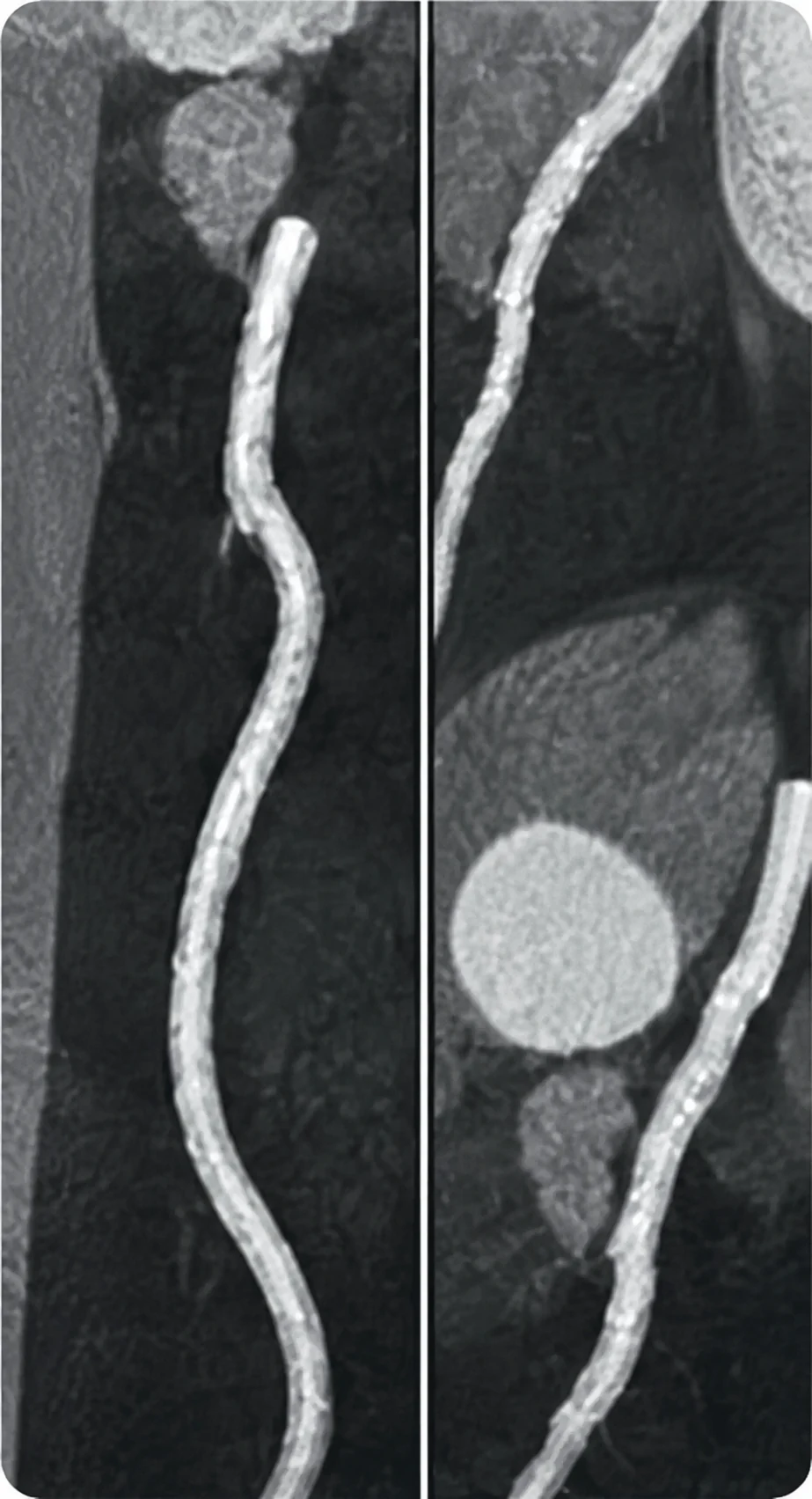
Clinical images used in the future live study will be anonymised. Direct patient identifiers will not be displayed.
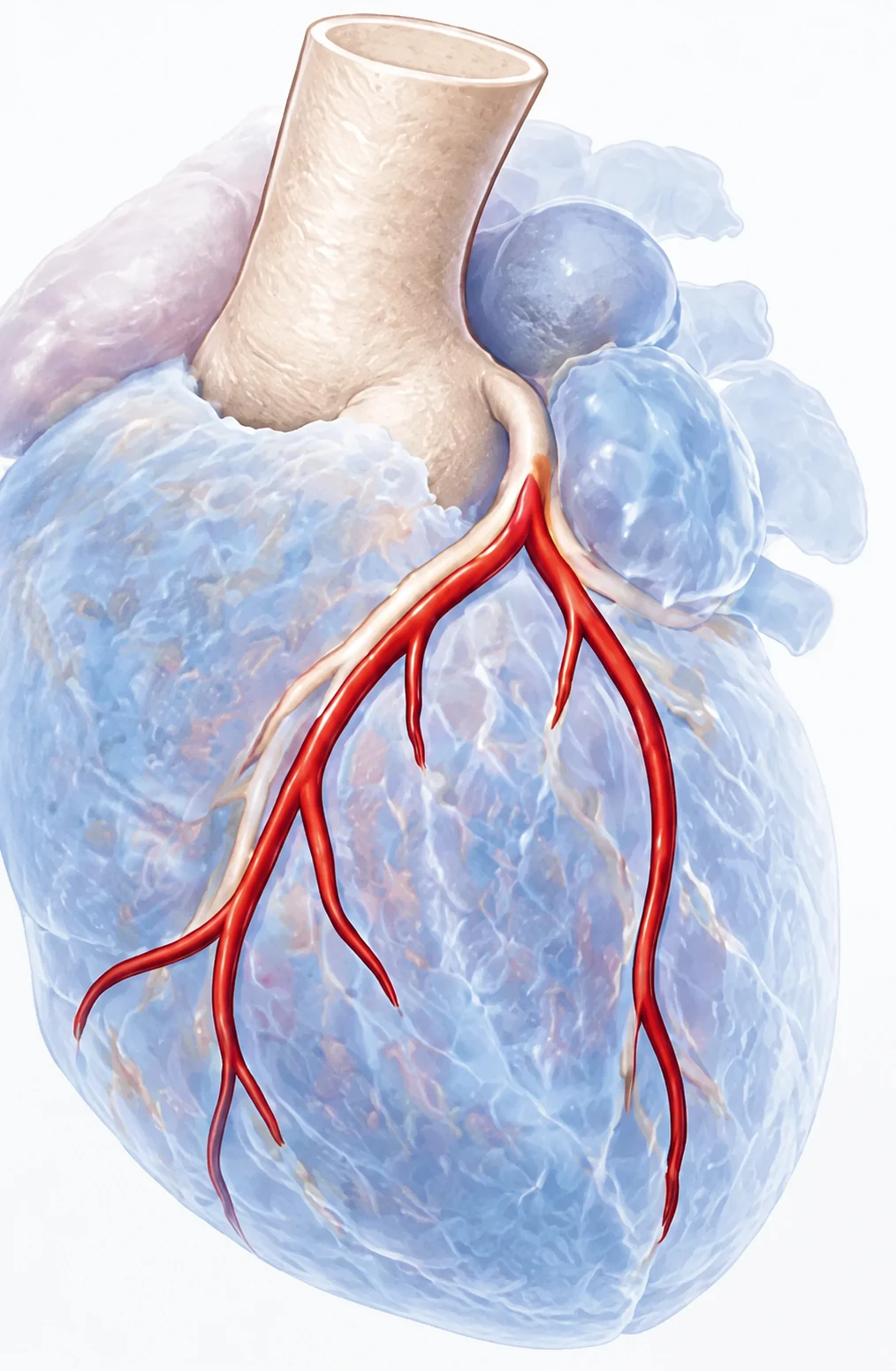
Candidate anonymised CT cine stacks may be shown in this controlled pre-recruitment environment. They are not enabled for recruitment until the private case-approval and release gates are complete.
Risks
The study involves no treatment or clinical intervention. The anticipated risk to participants is minimal.
Some CT cases may be challenging, but the purpose is to understand variation in practice and educational needs rather than judge individual clinicians.
Benefits
There may be no direct personal benefit. The study may help identify areas where congenital CT education, structured reporting or multidisciplinary training could improve practice.
Voluntary participation
Participation is entirely voluntary. Participants may leave before final submission.
Withdrawal after submission
Because the live survey is intended not to collect directly identifying information, individual submitted responses may not always be retrievable for withdrawal after submission. This will be made clear before final submission.
Data storage
Future study responses will be stored securely and analysed in aggregate. No individual participant or institution will be intentionally identified in publications.
Dissemination
Findings are intended for scientific presentation and peer-reviewed publication.
Who is responsible for the study?
Dr Michael Sammaan
Chief Investigator
Continuing does not itself count as consent.
Continue to Consent